Understanding the Lifecycle of a Commercial HVAC System

A commercial HVAC system is one of the most important investments a business can make. From maintaining a comfortable working environment to supporting operational efficiency, these systems play a critical role every day. Understanding the lifecycle of a commercial HVAC system can help you plan ahead, reduce costs, and ensure consistent performance over time.
Installation: Setting the Foundation
The lifecycle of any HVAC system begins with professional design and installation. At this stage, it is essential to ensure the system is tailored to the specific requirements of your building. Factors such as size, layout, occupancy levels and usage patterns all influence the design.
A well-planned HVAC installation ensures optimal airflow, energy efficiency and system longevity from the outset. Poorly designed systems, on the other hand, can lead to uneven temperatures, increased energy consumption and unnecessary strain on components. Getting the installation right is key to avoiding issues later in the system’s life.
Daily Operation and Performance
Once installed, your HVAC system enters its longest phase: day-to-day operation. During this time, it is responsible for regulating temperature, maintaining air quality and supporting a comfortable environment for staff and visitors.
Over time, components such as fans, filters and compressors naturally experience wear and tear. While this is expected, how the system is used can significantly impact its performance. Systems that are overworked or incorrectly configured may experience reduced efficiency much earlier than anticipated. Monitoring performance and making adjustments where needed helps maintain consistent output.
The Importance of Regular Maintenance
Routine HVAC maintenance is essential for extending the lifespan of your system. Regular servicing allows engineers to identify minor issues before they develop into costly repairs or system failures.
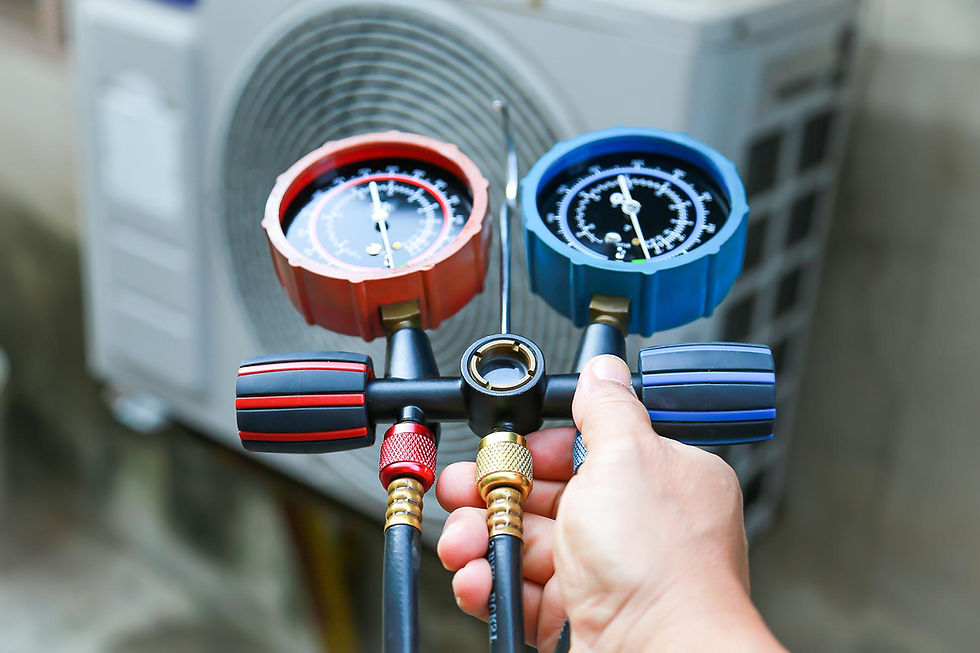
Maintenance typically includes cleaning filters, checking refrigerant levels, inspecting ductwork and ensuring all components are functioning correctly. This not only improves energy efficiency but also helps maintain air quality and compliance with industry standards.
Without regular maintenance, systems are far more likely to experience breakdowns, leading to disruption and potential downtime for your business.
Repairs and System Upgrades
As your HVAC system ages, repairs may become more frequent. Components will gradually lose efficiency, and parts may need replacing to keep the system running effectively.
In some cases, upgrading certain elements of the system can improve performance without requiring a full replacement. For example, modern controls or energy-efficient components can enhance system functionality and reduce operational costs.
Understanding when to repair and when to upgrade is key to managing long-term expenses and maintaining reliability.
End of Lifecycle and Replacement
Every commercial HVAC system will eventually reach the end of its lifecycle. This typically occurs after years of continuous use, when the cost of repairs begins to outweigh the benefits of keeping the system running.
At this stage, investing in a new system can offer improved efficiency, reduced energy consumption and better overall performance. Modern HVAC solutions are designed with sustainability in mind, helping businesses meet environmental targets while lowering running costs.
At Mitchell’s, we support businesses through every stage of this transition, helping you select and install a system that delivers long-term value. Our experienced engineers work closely with you to ensure your new HVAC solution is efficient, reliable and tailored to your operational needs.
Plan Ahead for Long-Term Performance
By understanding each stage of the HVAC lifecycle, you can make informed decisions that protect your investment and support your business operations. From initial installation through to ongoing maintenance and eventual replacement, every step plays a role in achieving reliable, efficient performance.
If you’re looking to install, maintain or upgrade your commercial HVAC system, get in touch with us today. Our experienced engineers are here to help you design a solution that works for your business now and into the future.


Comments