The Shift to Low GWP Refrigerants in Commercial Systems
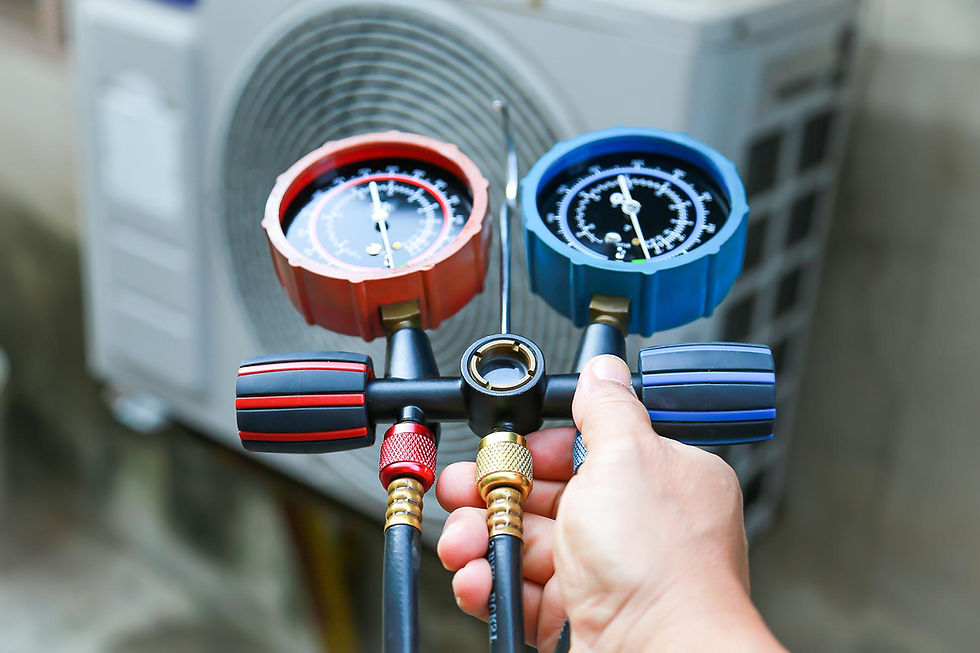
The commercial refrigeration industry is undergoing a major transformation. The move away from high Global Warming Potential (GWP) refrigerants is no longer a future consideration; it is already well underway. Driven by tightening regulations, environmental responsibility and advances in system design, businesses must now adapt to a new standard in refrigeration technology.
For organisations that rely on commercial refrigeration, understanding this shift is essential for making informed decisions about installation, maintenance and long-term investment.
Why High GWP Refrigerants Are Being Phased Out
Historically, refrigerants such as R404A, R410A and R134a have been widely used across commercial systems. While effective, these gases have a high environmental impact when released into the atmosphere, contributing significantly to greenhouse gas emissions.
As a result, UK F-Gas Regulations and wider European policies are driving a gradual phase-down. This is not an immediate ban, but it is leading to reduced availability and rising costs. For businesses, this means that continuing to rely on high-GWP refrigerants will become increasingly expensive and less practical over time.
Planning ahead is crucial to avoid reactive decisions and unexpected operational disruption.
What Are A2L Refrigerants?
A2L refrigerants are emerging as a key solution in the transition to lower-carbon systems. These refrigerants are classified as low toxicity and mildly flammable, offering a balance between performance and environmental responsibility.
Common examples include R32, R1234yf, R454C and R455A. Compared to traditional refrigerants, A2Ls have a significantly lower GWP, making them an important part of the industry’s move towards sustainability and net zero targets.
The Benefits of A2L Refrigerants
The adoption of A2L refrigerants is not solely about compliance. These systems can also deliver practical advantages for businesses.
Lower GWP refrigerants reduce the environmental impact of commercial refrigeration systems, helping organisations meet sustainability goals and regulatory requirements. In many cases, they also offer improved energy efficiency, particularly under part-load conditions, which can lead to reduced operational costs over time.
Perhaps most importantly, systems designed around A2Ls are better aligned with future legislation, helping to protect your investment and reduce the risk of early obsolescence.
Design and Safety Considerations
One of the key differences with A2L refrigerants is their mild flammability. While this does not make them unsafe, it does mean that systems must be carefully designed and installed to meet current standards.
Factors such as refrigerant charge limits, ventilation requirements and leak detection systems must all be considered. Compliance with standards such as EN378 is essential to ensure safe and effective operation.
This is where working with experienced engineers becomes critical, ensuring that your system is designed correctly from the outset and operates reliably throughout its lifecycle.
What This Means for Your Business
Many existing commercial refrigeration systems are still operating with high GWP refrigerants. The question is not whether change is coming, but when it will affect your system.
Options may include continuing with maintenance in the short term, retrofitting where possible, or planning for full system replacement. Taking a proactive approach allows for better budgeting, improved system design and minimal disruption to your operations.
At Mitchell’s, we are already supporting businesses with the transition to low-GWP and A2L refrigeration systems. We work closely with our clients to design compliant, efficient solutions that meet both current and future requirements.
If you’re looking to future-proof your commercial refrigeration system, get in touch with us today to discuss how we can support your next steps.


Comments